
This article is part of our guides on accident reports and the claims process. Find the reports and help you need in your state:
After a collision, most drivers are already dealing with enough stress. Between checking for injuries, speaking with insurance companies, arranging repairs, and trying to stay calm, paperwork may feel like the last thing you want to think about. But understanding what information is included in a car accident police report can make a huge difference later.
A police report is not just a routine document completed after an accident. It can become one of the strongest pieces of evidence connected to your case. Insurance companies, attorneys, and even courts may rely on this report to understand what happened and determine how claims should move forward.
The good news is that once you understand the key sections inside a police report, the entire process becomes much less confusing. In this guide, we will explain what officers typically include in accident reports, why those details matter, and how carefully reviewing the report can help protect your rights after a crash.
Why a Car Accident Police Report Matters So Much
Many people assume the police report is simply for recordkeeping, but it plays a much larger role after an accident. The report creates an official summary of the collision while details are still fresh and evidence is available.
- Support your version of events: A properly documented police report can help confirm your account of what happened before stories begin to change.
- Strengthen insurance claims: Insurance companies often use the report as a starting point during their investigation.
- Reduce confusion later: Accident details can quickly become unclear after a stressful event. A written report helps preserve important information accurately.
Because of its importance, understanding the report’s contents can help you avoid mistakes and respond quickly if anything appears incorrect.
Need your report now? → Let us connect you with someone who can help
Basic Accident Information Included in the Report
One of the first sections officers complete includes the general details surrounding the accident itself. This information helps identify the collision and organize it within official records.
The report usually contains:
- Date and time of the crash
- Exact accident location
- Report number
- Name of the responding police department
- Officer’s name and badge number
Although these details may seem simple, they are essential for tracking the report, filing insurance claims, and requesting copies later.
Establish an official timeline: The recorded date and time can become important evidence during insurance disputes or legal proceedings.
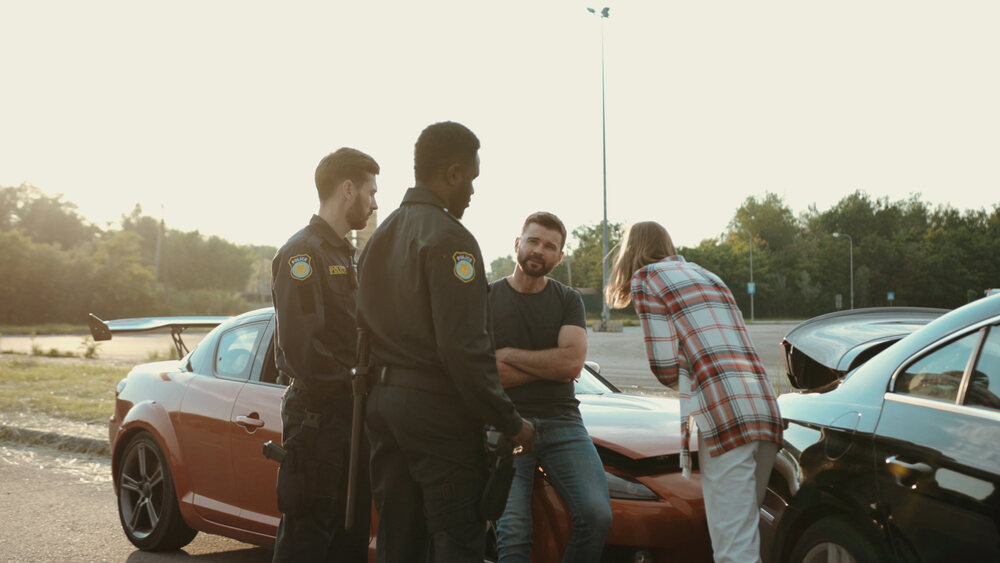
Driver and Passenger Information
Police officers gather identifying information from everyone involved in the accident. This section helps ensure that insurance companies and legal representatives can accurately identify all parties involved in the collision.
The report commonly includes:
- Full legal names
- Home addresses
- Phone numbers
- Driver’s license information
- Date of birth
- Passenger details
Avoid claim delays: Even small spelling mistakes or incorrect contact information can create complications during insurance processing.
This is why it is always smart to review the report carefully once you receive a copy.
Vehicle Information and Damage Descriptions
The report also documents each vehicle involved in the crash. Officers often inspect the vehicles directly and record visible damage, positioning, and identifying details.
Vehicle-related information may include:
- Vehicle make and model
- License plate numbers
- Vehicle identification numbers
- Registered owner information
- Visible damage descriptions
Help explain how the collision occurred: Damage patterns and vehicle positions can help investigators understand the direction and force of impact.
For example, front-end damage may support rear-end collision claims, while side damage could indicate lane-change or intersection issues.
Insurance Information Recorded at the Scene
Insurance information is another major component of the report. Officers typically verify proof of insurance during the investigation and document those details for future reference.
This section often includes:
- Insurance company names
- Policy numbers
- Policy expiration dates
- Coverage verification
Simplify communication between insurers: Accurate insurance details help speed up the claims process and reduce administrative delays.
Without proper insurance documentation, resolving claims can become much more difficult.
Description of the Accident Scene
One of the most valuable sections in a police report is the officer’s description of the accident scene. Officers document environmental and roadway conditions that may have contributed to the collision.
This may include:
- Road layout and lane positions
- Traffic lights or stop signs
- Weather conditions
- Visibility levels
- Construction zones
- Road hazards
Provide context for the collision: Road and weather conditions often help explain why an accident happened and whether outside factors played a role.
For example, wet pavement or poor visibility could become important factors during insurance evaluations.
Statements From Drivers and Witnesses
Police officers usually speak with everyone present at the scene, including drivers, passengers, and witnesses. These statements help create a clearer understanding of the events leading up to the collision.
Driver statements may explain:
- Direction of travel
- Speed before impact
- Traffic signal behavior
- Actions taken before the crash
Witnesses may provide independent observations that support or challenge a driver’s version of events.
Strengthen credibility during disputes: Neutral witness statements often carry significant weight during insurance investigations.
For example, a witness may confirm:
- A driver ignored a stop sign
- Distracted driving behavior occurred
- One vehicle was speeding
- Unsafe lane changes happened before the impact
These details can strongly influence how the fault is evaluated.
Officer Observations and Preliminary Assessment
Beyond collecting statements, officers also include their own observations and professional assessment of the collision. This section can become extremely important later.
The report may document:
- Visible injuries
- Signs of intoxication
- Driver behavior
- Traffic violations
- Debris patterns
- Skid marks at the scene
Support evidence-based investigations: Officer observations help insurance companies evaluate the accident using physical evidence rather than opinions alone.
In some cases, officers may note whether certain actions appear to have contributed to the crash.
Accident Diagrams and Scene Sketches
Many accident reports include diagrams or sketches showing how the collision occurred. These visual representations often help explain complicated accidents more clearly than written descriptions alone.
Diagrams may show:
- Vehicle positions before and after impact
- Direction of travel
- Point of collision
- Lane markings
- Nearby traffic controls
Make complex accidents easier to understand: Visual layouts can help investigators reconstruct the sequence of events more accurately.
This becomes especially useful in multi-vehicle collisions or intersection accidents.
Injury Information Included in the Report
If anyone was injured, officers usually document visible injuries and emergency medical responses. Even if injuries seem minor at first, this section can become very important later.
The report may include:
- Complaints of pain
- Visible cuts or bruises
- Ambulance involvement
- Medical transportation details
Connect injuries to the accident early: Initial documentation helps establish that injuries occurred immediately after the collision.
This can become valuable if symptoms worsen days later.
Why You Should Review the Report Carefully
Once the report becomes available, reviewing it thoroughly is extremely important. Even small factual mistakes can create unnecessary complications.
Common issues include:
- Incorrect driver information
- Wrong insurance details
- Missing witness names
- Inaccurate accident locations
- Incorrect vehicle descriptions
Protect your claim from preventable errors: Identifying mistakes early gives you a better chance of correcting them before they affect your case.
If you notice inaccuracies, contact the reporting agency as soon as possible.
How Police Reports Help Insurance Companies
Insurance companies rely heavily on police reports because they provide an objective overview of the collision. Adjusters use the report to evaluate damages, liability, and supporting evidence.
The report can help:
- Verify accident details
- Confirm involved parties
- Analyze crash conditions
- Review injury documentation
- Assess fault-related factors
Speed up claim processing: Clear documentation often allows insurers to investigate claims more efficiently.
Without a report, disputes may become much harder to resolve.
Final Thoughts
A car accident police report is much more than simple paperwork. It serves as an official record of the collision and can directly affect insurance claims, legal cases, and injury-related compensation. Understanding what information is included in a car accident police report helps you stay informed, identify potential issues, and better protect yourself after a crash.
From driver statements and vehicle damage to witness observations and officer assessments, every section of the report plays an important role. Carefully reviewing the document and quickly addressing any inaccuracies can help prevent unnecessary complications later.
If you’ve been involved in an accident and need help understanding accident reports or the next steps after a collision, connect with one of our agents closest to you. Auto Accident Report can help you access accident report information and better understand the reporting process.
FAQs
1. What information is usually included in a car accident police report?
Most reports include driver information, vehicle details, insurance information, witness statements, accident scene descriptions, and officer observations.
2. Why is a police report important after a car accident?
A police report creates official documentation that supports insurance claims, legal investigations, and liability evaluations.
3. Can I request corrections to an accident report?
Yes, factual mistakes can often be corrected by contacting the reporting agency and providing supporting documentation.
4. Do insurance companies use police reports during claims?
Yes, insurance adjusters frequently rely on accident reports to verify details and assess fault after a collision.
5. How long does it take to receive a car accident police report?
Most reports become available within a few business days, although serious investigations may take longer.
Let us help you get your accident report. We’ll connect you with an attorney or specialist who can obtain your report and guide you through the entire process — at no cost to you.