
This article is part of our guides on accident reports and the claims process. Find the reports and help you need in your state:
Picture two people filing nearly identical claims after similar accidents. One walks away with a fair settlement, the other gets a lowball offer and a lot of back and forth. The difference almost always comes down to evidence for a car accident claim, not luck, and not who had the better story. Adjusters work off what’s documented, not what’s remembered, so building a solid evidence file from the start puts you firmly in the stronger position.
Why Evidence Carries So Much Weight
Insurance adjusters are trained to be skeptical, and their job depends on evaluating claims based on documented facts rather than taking them on faith. A verbal account of what happened, no matter how accurate, doesn’t carry the same weight as a photo, a report, or a medical record. The stronger and more complete your evidence file, the harder it becomes for an insurer to dispute your version of events.
Need your report now? → Let us connect you with someone who can help
The Official Accident Report
This is usually the foundation on which everything else is built. It establishes the date, location, drivers involved, and often the officer’s initial take on fault. If you haven’t pulled your copy yet, our guide on how long it takes to get a car accident report walks through realistic timelines depending on where you live.
Photos and Video From the Scene
Visual evidence captures details that are easy to forget or misremember later.
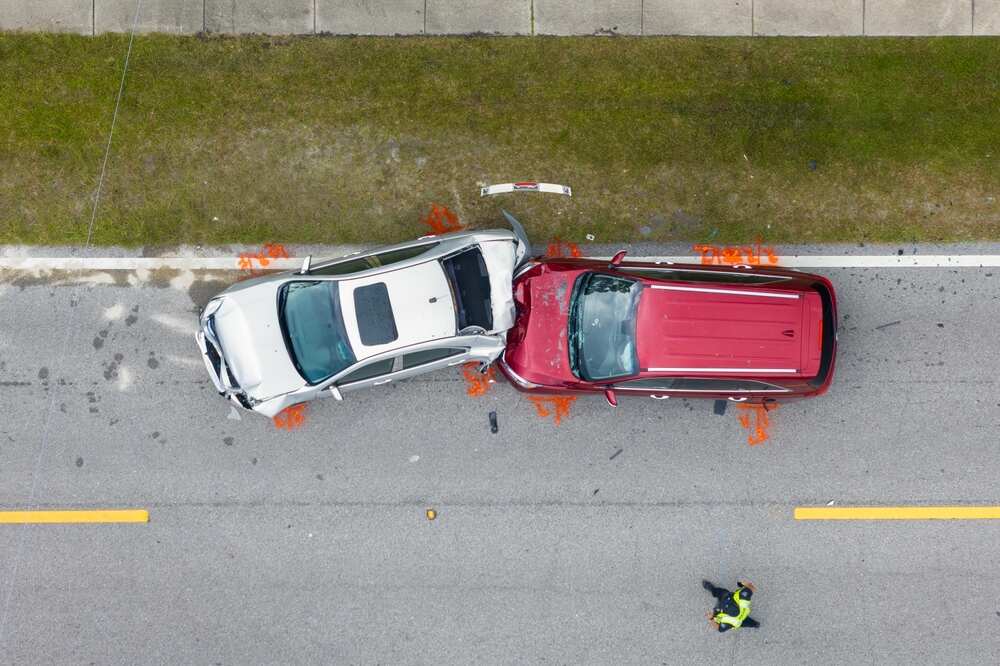
- Wide shots showing the position of all vehicles involved
- Close-ups of damage on every vehicle
- License plates, road signs, and traffic signals
- Weather and road conditions at the time
- Skid marks or debris patterns, if visible
Dashcam footage, if you have it, can be some of the most persuasive evidence available, since it removes any ambiguity about who did what.
Witness Statements
Independent witnesses, people with no stake in the outcome, carry significant credibility. Get names and contact information at the scene whenever possible, since memories fade and people are harder to reach the longer you wait. A brief written account from a witness, even a few sentences, can meaningfully support your side of the story.
Medical Records and Bills
If you were injured, this category becomes just as important as the accident details themselves. Insurers want to see a clear line connecting the crash to your injuries, which means:
- Emergency room or urgent care documentation from immediately after the accident
- Follow-up visits and specialist referrals
- Diagnostic imaging, like X-rays or MRIs, is performed
- Physical therapy or rehabilitation records
- Pharmacy receipts for prescribed medication
Gaps in treatment can work against you here, since insurers sometimes argue that a delay suggests the injury wasn’t serious or wasn’t related to the crash.
Repair Estimates and Vehicle Damage Documentation
Get at least one, ideally two, written repair estimates from licensed shops. This gives the adjuster a documented basis for property damage costs rather than relying on their own internal estimate, which can sometimes undervalue the actual repair work needed.
Proof of Lost Income
If the accident kept you away from work, documentation matters here, too. A letter from your employer confirming missed hours or days, combined with pay stubs showing your normal earnings, helps establish a clear financial loss tied directly to your recovery time.
Your Own Written Account
Write down what happened as soon as possible, while details are still fresh. Include the sequence of events, weather conditions, and anything the other driver said at the scene. This isn’t for submission to the insurer necessarily, but it becomes an invaluable reference if your memory of small details starts to blur weeks later.
Correspondence With Insurance Companies
Keep copies of every email, letter, and claim number you receive, and follow up phone conversations with a written summary. This creates a paper trail that protects you if there’s ever a disagreement about what was said or promised during negotiations.
What Happens When Evidence Is Incomplete
A thin evidence file doesn’t necessarily mean your claim fails, but it does give the insurer more room to argue for a lower settlement or dispute fault entirely. Every missing piece is an opening for the adjuster to fill in the blanks in their own favor rather than yours.
Organizing Everything as You Go
Rather than scrambling to assemble everything at once, build a simple folder, physical or digital, as soon as the accident happens. Add to it as new documents arrive, medical bills, repair invoices, correspondence, so you’re never caught unprepared when your adjuster asks for something specific.
Building Your Case the Right Way
Pulling together a complete evidence file while you’re also dealing with medical appointments and repair shops is a lot to manage on your own. If you want support making sure nothing gets missed, Auto Accident Report can connect you with a professional who knows exactly what documentation strengthens a claim like yours.
Frequently Asked Questions
- What’s the single most important piece of evidence for a car accident claim?
The official accident report is usually considered the foundation, since it establishes the basic facts on which everything else is built. - Do I need witness statements if there’s already a police report?
They still help, especially if the fault is disputed or the report’s account differs from what actually happened. - How soon should I start gathering evidence after an accident?
As soon as possible. Photos, witness contact information, and your own written account are all easier to gather immediately than weeks later. - Can I still build a strong claim without photos from the scene?
Yes, though it’s more difficult. Medical records, repair estimates, and witness statements can help fill in gaps. - What if my evidence contradicts the police report?
Present your evidence to the insurer and, if necessary, request a correction to the official report to align the record with what actually happened.
Let us help you get your accident report. We’ll connect you with an attorney or specialist who can obtain your report and guide you through the entire process — at no cost to you.