
This article is part of our guides on accident reports and the claims process. Find the reports and help you need in your state:
You finally have the report in hand, and it might as well be written in code. Boxes with numbers, abbreviations you’ve never seen, a diagram that looks more like a geometry homework assignment than an accident scene. If you’ve ever wondered whether a collision report vs police report means two different documents or the exact same thing dressed up in different terminology, the short answer is they’re usually the same report, just labeled differently depending on who’s talking about it. Once you know how to actually read what’s in front of you, the whole thing becomes a lot less intimidating.
Starting With the Basics: Header Information
The top section of most reports covers the foundational facts: the date, time, and location of the crash, along with the report or case number and the responding agency’s name. This section also usually identifies whether the report came from local police, a sheriff’s department, or a state patrol agency, which is where that collision report versus police report terminology mostly comes from, it’s really just a naming convention tied to which agency responded.
Need your report now? → Let us connect you with someone who can help
Driver and Vehicle Information
Next comes the section listing everyone involved: names, addresses, driver’s license numbers, and insurance details for each driver. Vehicle information sits alongside this, including make, model, year, and license plate numbers. Double-check this section carefully, since transposed numbers or misspelled names here are among the most common errors people find, and they’re often the easiest to get corrected once identified.
The Diagram
Most reports include a simple drawing showing the position of each vehicle, the direction of travel, and relevant road features like intersections or lane markings. This diagram is meant to give a quick visual summary of how the crash unfolded. It won’t be to scale, and it’s not meant to capture every detail, so treat it as a general reference rather than an exact reconstruction.
The Narrative Section
This is usually the most important part of the report, a written description from the officer explaining what happened based on their observations and the statements of everyone involved. Pay close attention here, since this narrative often shapes how an adjuster interprets fault, even before either driver’s own account gets fully considered. If something here doesn’t match what actually happened, this is the section worth disputing first.
Contributing Factors and Citations
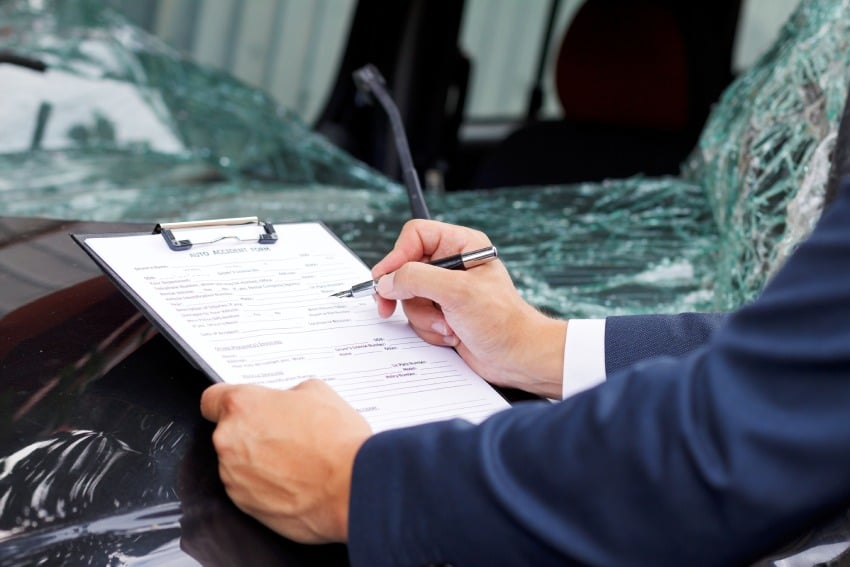
Many reports include a section listing factors the officer believes contributed to the crash, things like speeding, following too closely, distracted driving, or weather conditions. If a citation was issued to either driver, it typically appears here as well. This section carries real weight during insurance negotiations, since a citation against the other driver can meaningfully strengthen your position.
Injury and Damage Information
Reports typically include checkboxes or short descriptions indicating whether anyone was injured, how severe those injuries appeared, and whether any vehicles were towed from the scene. If you told the officer about pain or discomfort and it’s not reflected here, that’s worth flagging quickly, since gaps in this section can create problems later if your injuries turn out to be more serious than initially apparent.
Witness Information
If witnesses were present, their names and contact information usually appear toward the end of the report. This section is easy to overlook but genuinely valuable, since an independent witness account can support your version of events if fault becomes disputed.
A Few Terms Worth Knowing
- Point of impact: The location on each vehicle where the collision occurred
- Contributing circumstance: A factor the officer identified as playing a role in causing the crash
- Unit number: A reference number is assigned to each vehicle involved and used throughout the report to keep details organized
What to Do If Something Looks Wrong
Spotting an error is common, and it’s worth addressing sooner rather than later. Our guide on how to correct an error in your accident report walks through the general process for getting a mistake fixed, whether it’s a simple factual error or a more subjective issue involving the officer’s account of fault.
Making the Report Work for Your Claim
Once you understand what each section actually means, you’re in a much better position to spot inconsistencies, catch errors early, and know exactly which parts of the report your insurer will focus on most. Making sense of your accident report becomes much easier with a little familiarity with the layout, turning a confusing document into a useful tool rather than something you just hand over and hope for the best.
Still Have Questions About Your Report?
Understanding the layout is one thing; knowing exactly how each section will be used during your specific claim is another. If you want help interpreting your report or understanding what it means for your case, Auto Accident Report can connect you with someone who can walk through it with you, line by line.
Frequently Asked Questions
- Is a collision report the same thing as a police report?
In most cases, yes, the terms are used interchangeably across agencies or regions, though the underlying document is typically the same. - What’s the most important section for my insurance claim?
The narrative section usually carries the most weight, since it reflects the officer’s interpretation of what happened and often shapes fault determinations. - Why does my report include boxes I don’t understand?
Most reports use standardized codes for things like weather conditions, road type, or contributing factors, and a legend or key is often included on the form itself. - Can I request clarification if something in the report is unclear?
Yes, contacting the responding officer or the records division that issued the report can often clarify confusing sections or abbreviations. - Does the diagram need to be accurate to scale?
No, it’s meant as a general visual reference rather than a precise reconstruction of the accident.
Let us help you get your accident report. We’ll connect you with an attorney or specialist who can obtain your report and guide you through the entire process — at no cost to you.